Conditions Commonly Mistaken for Carpal Tunnel Syndrome
Call (817) 382-6789 to have this looked at, or book online with Dr. Knight.
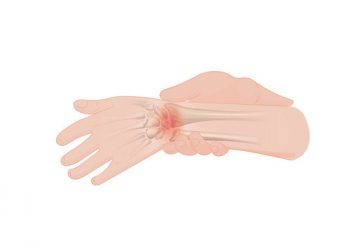
“Wrist pain” By Injurymap licensed under CC BY 2.0
If you start to experience numbness or tingling in your hands, fingers, and wrists, your first thought might be that you’re experiencing carpal tunnel syndrome. That’s because it’s the most commonly known hand and wrist condition. However, there is a host of other hand and wrist conditions that can mimic some of the symptoms of carpal tunnel. Here are a few other conditions that are commonly mistaken for carpal tunnel syndrome.
Tendonitis
Tendonitis is inflammation of a wrist tendon, which can occur from overuse of your wrist. Some activities that can lead to tendonitis in the wrist are using a computer, hammering, tennis, or crocheting.
A common symptom shared by carpal tunnel and wrist tendonitis is pain. Still, the distinguishing feature of tendonitis is that it doesn’t cause tingling and numbness, which are the main symptoms of carpal tunnel syndrome. Tendonitis is more likely the culprit if you have stiffness and pain that doesn’t go away, even after stopping the activity. Tendonitis also has pain in your palms and the back of your hands and wrists or tenderness directly over the affected tendon.
Arthritis
Arthritis causes inflammation and loss of cartilage, which cushions the joint as it glides. Arthritis can affect any joint in your body, including those in your hands, fingers, and wrists. While it’s most common in older adults, it’s a condition that can affect people of all ages.
Both carpal tunnel and arthritis cause pain, but arthritis doesn’t have the same tingling or numbness. The most common symptoms of arthritis include joint stiffness, swelling, and tenderness. Another way to tell the difference between the two conditions is where you’re experiencing the pain. Arthritis pain is typically felt in the joints of your fingers or at the base of your thumb. Arthritis commonly affects your knuckles, causing bony lumps on those joints.
It’s important to note that both conditions can be present simultaneously and to know that if you have arthritis of the wrist, you’re at higher risk of carpal tunnel syndrome. This is because the swelling in your tendons and wrists increases the pressure on your median nerve, which is the area affected by carpal tunnel syndrome.
Sprained Hand or Wrist
A wrist sprain occurs when the connecting ligaments between the hand and wrist bones are stretched too far, resulting in a small tear or a break in a ligament. A hand sprain most commonly results from a person using their hands to catch themselves from falling. You can also sprain your wrist due to extreme pressure on the wrist, the wrist being hit, or twisting the wrist. While sprained wrists are a common injury sustained while playing sports, it’s also very possible to sprain your wrist in your regular daily activities.
A sprained wrist can mimic carpal tunnel syndrome temporarily while you heal because the swelling and inflammation may reduce the carpal tunnel area and cause irritation to the median nerve. The symptoms should go away during the healing process. Weakness in your hand is a common symptom of the two conditions. If your symptoms arise after a sudden injury or fall, you may likely have a sprained wrist. It could also be broken if the injury was severe. In addition, you may have other symptoms, including:
- Popping or tearing of the wrist.
- Bruising.
- Swelling.
- Tenderness and warmth.
- Pain.
- Loss of motion.
- Weakness.
Neuropathy
Neuropathy is a catch-all term for nerve degeneration, and it can have multiple causes. If it’s in your hands, it can cause you to have carpal tunnel-like symptoms. Neuropathy is more common in older adults, but the condition can affect anyone. Some conditions make neuropathy more likely, such as diabetes. Other risk factors for neuropathy include exposure to toxins, alcoholism, and medications, such as those used in chemotherapy.
Carpal tunnel syndrome and neuropathy can both cause muscle weakness, tingling, numbness, and pain in your fingers and hands. Both conditions develop slowly over time, with the symptoms worsening over time.
If you have neuropathy only in your fingers or hands, it can be difficult to tell if it’s carpal tunnel syndrome. Tests are required to determine what’s causing your symptoms and you should seek a hand and wrist specialist for a diagnosis, such as Dr. Knight of The Hand and Wrist Institute.
If you have neuropathy symptoms in your feet or lower legs, that can indicate that it’s not carpal tunnel, but it’s still a good idea to get it ruled out in your hands, fingers, and wrists.
Other symptoms which point to neuropathy include:
- Paralysis.
- Loss of coordination.
- Low blood pressure.
- Muscle spasms.
- Bowel, bladder, and digestive problems.
- Abnormal heart rate.
- Excessive sweating.
- Sexual function problems.
- Unexplained weight loss.
Pinched Nerves
Cervical radiculopathy occurs when pinched nerves in the neck happen because of a nerve from the spinal cord being irritated or squeezed. Arthritic changes to the spine can cause these pinched nerves, which occur more often in older adults. If a younger person has a pinched nerve in the neck, it’s more likely caused by a herniated disc resulting from a sudden injury.
Again, carpal tunnel syndrome and cervical radiculopathy can have mimicking symptoms. Both may result in tingling in your hands and fingers, numbness, and a weakened grip. The difference is where the pain begins. If the pain begins at your neck and makes its way down your arm, or if your pain worsens when you extend your neck or turn your head, it’s much more likely to be a pinched nerve than carpal tunnel syndrome.
Contact the Hand and Wrist Institute in Dallas, TX Today!
In all these cases, if your symptoms are severe and persist, it’s wise to seek the care of a hand and wrist specialist to get to the bottom of your pain. If you’re in the Dallas or Southlake area of Texas, the experienced specialists of The Hand & Wrist Institute are here to diagnose and treat your hand, finger, and wrist conditions. You can reach us at (817) 382-6789 or schedule an appointment online. Dr. Knight and the team at The Hand and Wrist Institute look forward to helping you heal.