Overuse Injuries of the Elbow
Call (817) 382-6789 to have this looked at, or book online with Dr. Knight.
What are Overuse Injuries of the Elbow?
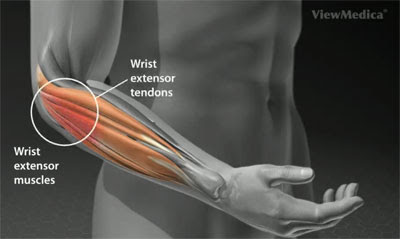
Overuse Injuries of the Elbow encompasses any damage produced when a particular motion is repeated without adequate time for the joint and tissues to rest and heal. Any activity that involves excessive flexion-extension movements of the elbow can result in undue stress on the ligaments, tendons, and muscles that stabilize the joint. Nerve entrapment as in Radial Tunnel Syndrome can also occur. These types of injuries happen gradually over time and can aggravate existing conditions such as Tendonitis. Tennis Elbow and Golfer’s Elbow are examples of common overuse injuries. In Fact, athletes of all sports are prone to these types of injuries due to the repetitive nature of sporting activities.
What causes Overuse Injuries of the Elbow?
Overuse Injuries of the Elbow are frequently caused by various sporting, occupational, and recreational hazards. Activities that result in repeated flexion and extension of the elbow can place excess pressure on the joint and stabilizing tissues. This extra stress can initiate a cycle of tissue degeneration, chronic inflammation and microtears to the tendons, ligaments, and muscle. Racquet sports, throwing, weight lifting, golf, boxing, and bowling are just a few of the most common activities associated with Overuse Injuries of the Elbow.
What are the symptoms of Overuse Injuries of the Elbow?
Symptoms can vary based on the actual diagnosis but generally include pain, tenderness, and edema during activity to the joint and or surrounding soft tissue. Patients commonly experience a decreased range of motion or muscle weakness. Occasionally numbness or tingling to the elbow, forearm, or hand can develop.
How are Overuse Injuries of the Elbow diagnosed?
Diagnosis begins with a complete medical history, review of symptoms, and discussion about the mechanism of injury. Next the physician will examine the affected extremity, assessing quality and degree of pain, range of motion, appearance, muscle strength, and sensation. The doctor may perform specialized tests in office such as the Vagal Stress Test to determine if additional imaging studies are warranted. X-rays, CT scans, and MRI imaging may be necessary to visualize the internal structures of the elbow. Nerve conduction studies and electromyography may be used if nerve compression is suspected. Common diagnoses for overuse elbow injuries include: Radial Tunnel Syndrome, Ulnar Tunnel Syndrome, Olecranon Bursitis, Pronator Syndrome, Ulnar Collateral Ligament Injury, Biceps Tendonitis, Tennis Elbow, and Golfer’s Elbow.
How are Overuse Injuries of the Elbow treated?
Non-Surgical
Most Overuse Injuries respond well to conservative treatment. Healing begins by providing adequate rest for the elbow. Immobilization for 2 to 3 weeks may be necessary to achieve this goal. Anti-inflammatory medications such as ibuprofen may be useful to relieve pain and swelling. Various therapies like muscle stimulation, ice, heat, and ultrasound may improve muscular healing. Ergonomic modifications will be necessary when resuming activity to prevent relapse.
Surgical
If non-surgical interventions do not provide adequate relief of symptoms then surgery may be necessary. Most procedures for these types of elbow injuries require some amount of tissue debridement followed by re-anchoring the healthy tissues back to the bone. The particular procedure indicated depends on a variety of factors including the specific diagnosis.
While an open approach is commonly used for many elbow surgeries, minimally invasive arthroscopic surgery may be an option. Both types of surgery can be performed on an outpatient basis. However, arthroscopic surgery has the added benefits faster recovery, smaller incisions, minimal scarring, and reduced pain.
Recovery times can very significantly. In general patients can return to physical activity or work within 3 to 9 weeks after surgery. Full recovery can be expected at 3 to 6 months.
Why See Dr. Knight for Overuse Injuries of the Elbow
Dr. Knight has over 25 years of experience and has helped thousands of people get relief from overuse injuries. He has performed more than 15,000 procedures and is in the forefront of his profession in advanced arthroscopic procedures and stitchless endoscopic procedures. As a surgeon, Dr. Knight relies on the intricate movement of his wrists and hands to perform his job and understands the importance of relieving pain and recovering full range of motion.
See Dr. Knight, one of the best hand surgeons in Dallas and see if he can help you live a more pain free life. Come to our Southlake hand and wrist center or Dallas Fort-Worth friendly office location.
Animated Videos
Disclaimer
HandAndWristInstitute.com does not offer medical advice. The information presented here is offered for informational purposes only. Read Disclaimer