Does Milk Help Heal Broken Bones?
Call (817) 382-6789 to have this looked at, or book online with Dr. Knight.
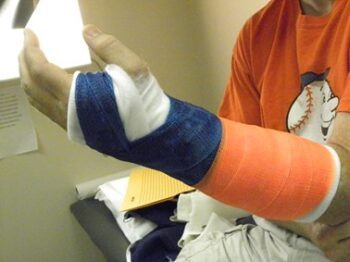
Getting A Cast On His Arm by slgckgc is licensed with CC BY 2.0
You’ve probably heard about milk’s bone benefits, but new research is challenging this long-held belief. While many bone fracture-healing foods exist, milk isn’t necessarily the best. Does milk really help your bones? Here are the latest facts to help you target the best vitamins for bone healing and decide where milk fits in your diet.
The Science of Broken Bones
A broken bone, also called a fracture, comes in many forms. A closed fracture occurs when the injury is internal and the skin hasn’t broken. An open fracture is one where the skin has broken, exposing the bone. Fractures can be further classified as:
- **Transverse:**A straight-line break
- **Oblique:**A diagonal break
- **Compression:**A crushing injury
- **Spiral:**A twisting injury where the break spirals around the bone
- **Impacted:**A heavy force pushing the ends of two bones together
- **Comminuted:**A bone broken into three or more pieces
The body automatically responds to a fracture by forming a blood clot called a hematoma around the site to protect the injured bone. This is later replaced by a cartilage callus that acts as a splint. Bone cells will begin to grow from either end of the fracture to stitch the bones together, creating a bony callus. This strengthens as the healing process continues until the bone is fully restored. It’s important to make sure the bone is properly aligned and supported throughout the healing process so it reforms correctly.
The Science Behind Milk and Bone Healing
Milk is touted as a powerful healing agent for bones because of its high calcium content. It’s long been believed that drinking plenty of milk helps fortify bones and prevent fractures, but recent evidence no longer backs that up. A 12-year study of over 77,700 women found no correlation between milk intake and the incidence of hip or forearm fractures. Another study evaluating men over 330,000 person-years during an eight-year period replicated these results, demonstrating no measurable correlation between calcium and fractures.
Evaluating the Evidence: Does Milk Really Help Heal Broken Bones?
Once a fracture has occurred, the body does need an adequate supply of calcium to heal, but consuming excess calcium will not help the bone heal faster than simply getting the regularly recommended amount. Calcium isn’t the only nutrient that your body needs to stay strong and healthy. Consuming a balanced diet of bioavailable nutrients is best.
Alternative Sources of Nutrients for Bone Healing Supplements
Milk has a strong reputation for supporting bone health because it’s rich in many nutrients that support healthy bones, including calcium, protein, and vitamin D. However, milk isn’t the only, or even the best, source of these nutrients. If you’re getting the recommended daily values of the proper nutrients from other sources, there’s no need to rely on milk to help you heal.
Nutrients That Are Involved in Healing Broken Bones
Below are some of the nutrients that positively impact the healing process of broken bones.
Protein
Protein helps repair broken bones and heal wounds. It supports healthy blood cells and a strong immune system and will help restore bone loss once your fracture is no longer immobilized. You can get protein from animal products such as meat, eggs, and milk, but these products are generally high in fat. Maintaining a low fat intake is especially important to support a healthy weight if your activities are restricted.
You can get protein from many plant sources, which are naturally low in fat. Lentils, beans, farro, seitan, tempeh, tofu, and nuts are hearty protein sources. While 4 ounces of turkey has 32 grams of protein, it also has 8.4 grams of fat. Two cups of split peas yield the same amount of protein with just 1.6 grams of fat. 50 grams of seitan has 37.5 grams of protein and just 1 gram of fat.
Vitamin D
A vitamin D deficiency can compromise fracture healing. You should get 600 IU of vitamin D each day, which you can source from sun exposure, fish oil, egg yolk, and products such as cereal, milk, and orange juice fortified with vitamin D. Supplementation may help you reach optimal vitamin D levels.
Calcium
Most adults need 1,000 mg of calcium a day. Women over 51 and men over 71 need 1,200 mg daily. Dairy products are just one source of calcium. A cup of milk has 300 mg, but so does a cup of dried figs or fortified orange juice. A cup of spinach is close to 240 mg. 4 ounces of tofu has anywhere from 120 to 750 mg of calcium. Broccoli, arugula, okra, and chard all have 100 mg or more per cup.
Vitamin C
Vitamin C helps with protein metabolism, iron absorption, and immune function. Adult women need 75 mg a day, and men need 90 mg. Fruits and vegetables are the best sources of vitamin C. Half a cup of red pepper delivers 95 mg. Oranges, broccoli, strawberries, Brussels sprouts, and grapefruit are also excellent sources.
Iron
Iron supports collagen production, which helps rebuild bones. Adult men need 8.7 mg a day, and women need 14.8 mg. Shellfish are very high in iron, but marine toxins often contaminate them. A cup of cooked spinach has more iron than 3 ounces of mussels and contains less than a third of the calories. Artichokes, lima beans, and soybeans are good sources of iron, too.
Potassium
Potassium helps you retain the calcium you’ve consumed. Adult men need 3,400 mg, and women need 2,600 mg. Bananas are the best source, with 425 mg in each. Dried figs, kiwi, pomegranates, and nectarines are also high in potassium.
Promote Bone Health With Expert Guidance From the Hand and Wrist Institute
With so many contenders among the best foods for bone healing, it’s clear that you don’t have to rely on milk if it’s not your favorite source of bone-healing nutrition. Target the recommended vitamins and nutrient values every day to support strong bones. If you have a fracture that’s not healing correctly, our experts at the Hand and Wrist Institute, located in the Dallas-Fort Worth metropolitan area, can help you decide if you need a change in your diet or treatment to get the desired results. Contact us to learn more about our services and solutions.