What Causes Numb Hands?
Call (817) 382-6789 to have this looked at, or book online with Dr. Knight.
What is Hand Numbness?
Hand numbness, also known as paresthesia, is a loss of feeling or a tingling sensation in the hands. Understanding the causes of numb hands and arms is important because this will help you evaluate the severity of your condition and the rapidity of your response. Some hand numbness is the brief and temporary result of sitting in the wrong position, while other instances of hand numbness indicate a heart attack or stroke. Learn more about how to assess hand numbness in your situation.
What Are the Causes of Numb Hands?

What causes numbness in fingers and hands? In most cases, hand numbness is the result of a compressed or injured nerve. If you stay in one position for a prolonged period, such as during a nap or while sitting with your elbows on a desk, you may compress a particular nerve for so long that you begin to lose feeling in the associated area. You may also experience hand numbness if you have a medical condition that’s putting pressure on the nerve, such as an enlarged blood vessel, tumor, swollen area of infection, or herniated disc.
Hand numbness is a possible symptom of many health conditions, including the following:
- Carpal tunnel syndrome: Irritation in the carpal tunnel of the wrist causes swelling that puts pressure on the median nerve.
- Cubital tunnel syndrome: Compression of the ulnar nerve in the elbow typically worsens when bending the elbow.
- **Guyon’s canal syndrome:**Pressure on the ulnar nerve at the point where it enters the hand causes numbness isolated around the ring and pinky fingers.
- Amyloidosis: Amyloid protein builds up in the organs and tissues, putting excess pressure on the nerves.
- **Brachial plexus injury:**The brachial nerves that travel from the spinal cord through the neck to the armpit become stretched, torn, or compressed due to an injury.
- Reynaud’s disease: Narrowed blood vessels reduce the amount of blood getting to the hands.
- **Cervical spondylosis:**An arthritis of the neck where changes in the shape of the cervical spine compress nerves as they exit the spinal cord.
- **Autoimmune diseases:**Inflammation from disorders such as lupus, fibromyalgia, and multiple sclerosis can create pressure that results in numbness or tingling.
- **Diabetes:**Numbness in diabetics is from nerve damage known as peripheral neuropathy.
- **Hypothyroid:**Untreated, hypothyroidism causes a buildup of fluid that can put pressure on the nerves.
Damage, compression, or irritation of a nerve that supplies the hand is the cause of hand numbness. Although the numbness is localized to the hand, the compromised nerve could be located at any level of the nervous system. Damage to a specific portion of the brain, the spinal cord, or the nerves that travel down the arm to the fingertips can potentially cause hand numbness.
Compression of the nerves that supply sensation to the hand can be caused by a wide variety of things, including cervical radiculopathy, thoracic outlet syndrome, cubital tunnel syndrome, carpal tunnel syndrome, radial tunnel syndrome, ulnar tunnel syndrome, and pressure caused by ganglion cysts of the hand. This compression may cause hand numbness and tingling.
What Are the Symptoms of Hand Numbness?
Hand numbness results in the inability to distinguish between hot and cold or to sense pain. Sensation may be altered and replaced by a feeling of pins and needles, burning, aching, or even shooting pain. This may result in clumsiness when using the hands for motor activity.
How is Hand Numbness Diagnosed?
With such varied causes of numbness and tingling in the hands and fingers, it’s not always easy to determine the underlying cause. Evaluating your full range of symptoms is the best way to narrow down the possibilities. If your healthcare provider believes the numbness is from an injury, inflammation, tumor, or compression, they may order tests that provide a look inside the body, such as a CT scan, MRI, ultrasound, or X-ray.
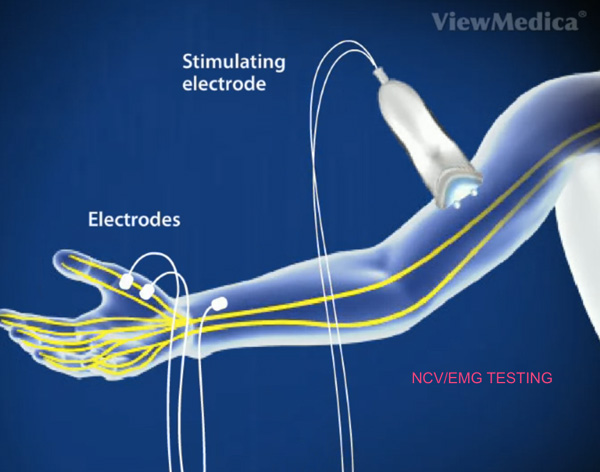
Electromyography is a nerve test that evaluates the function and health of your nerves. A lumbar puncture, or spinal tap, is the collection of cerebrospinal fluid to diagnose conditions of the nerves, spinal cord, and brain. Your doctor may also run bloodwork to check your vitamin levels, electrolyte levels, and thyroid function.
If the physical exam suggests nerve compression, imaging studies, along with Electromyogram and Nerve Conduction Studies, may be helpful.
Treatments for Hand Numbness
How to relieve hand numbness varies greatly depending on the underlying cause of the issue. If hypothyroidism causes numbness in the hand, treatment is as simple as taking thyroid medication each day. If you’re suffering from carpal tunnel syndrome, you may need a hand brace or surgical treatment. Your healthcare provider can help you diagnose the source of your hand numbness and develop an appropriate treatment plan.
Non-surgical
Medical cases of hand numbness can be treated by the appropriate specialist; for example, an internist would treat diabetes, and a neurologist would be enlisted to treat a patient with multiple sclerosis. Cases of nerve compression are best treated by a hand surgeon.
Many times, nerve compression does not require surgery. A trial of rest and immobilization with a splint is usually given, along with anti-inflammatory medications and possibly injections of steroid medications. The vast majority of patients will benefit from these conservative measures.
Surgical
Sometimes surgery is needed if the symptoms are severe or disabling, or do not respond to conservative treatment. Surgery is used to relieve pressure on the nerve caused by entrapment in a tunnel, such as with carpal tunnel syndrome; or by encroachment by a tumor, such as a ganglion cyst. There are many types of surgical procedures available and the technique used depends on the location of the compressed nerve.
How Can Dr. Knight Help You With Hand Numbness?
Dr. Knight has extensive experience in the treatment of hand numbness. He will quickly work up your condition to determine the cause. If metabolic in origin, he will consult with internal medicine specialists to get you the care you need. If there is nerve compression, he will usually cure this with rest, splinting, medication, and therapy. If necessary, he will perform minimally invasive surgery to relieve the pressure and prevent permanent damage from occurring.
Dr. Knight is one of the premier hand surgeons in Dallas. We invite you to visit him at our Southlake office or Dallas office today. You can also give us a call at (817) 382-6789 or contact us online to get your appointment set up.
Disclaimer
HandAndWristInstitute.com does not offer medical advice. The information presented here is offered for informational purposes only. Read Disclaimer