Rheumatoid Arthritis Surgery Recovery
Call (817) 382-6789 to have this looked at, or book online with Dr. Knight.
Rheumatoid arthritis (RA) is an autoimmune disorder that causes joint inflammation everywhere in the body. It can lead to fatigue, stiffness, swelling, pain, and joints that appear swollen or deformed. These symptoms often appear in the hands and wrists first. Medications and other treatments, such as physical therapy, are available, but if you have RA, you may eventually need surgery. Here’s some more information about the types of surgery available, what you can expect during your recovery, and what to do after a RA surgery.
Types of RA Surgery
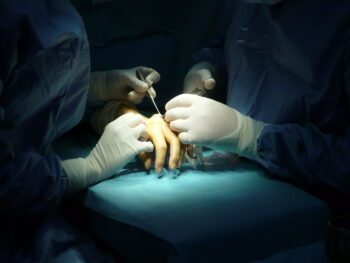
There are many different types of RA surgery. In a synovectomy, your doctor will remove inflamed linings from a joint to relieve RA symptoms. Synovial joints are the most common type of joint in the body. They contain a cavity filled with fluid, and they’re lined with a membrane called the synovium. Physicians can sometimes use arthroscopy to perform this procedure. It’s less invasive than traditional surgery, and it can remove damaged tissue or repair body parts, such as ligaments. Arthroscopy uses a thin tube with a light at the end called an arthroscope.
An arthroplasty involves replacing one or more joints. The replacement is usually a metal, such as titanium, for the wrist or elbow. For joints in the fingers, pyrocarbon implants are more common. This form of carbon resembles graphite, and it’s slightly more flexible than metal. It can also absorb phospholipids or fats without reacting to them for better lubrication.
In some circumstances, such as arthritis in the thumb, a physician can replace the joint with a tendon from elsewhere in your body. With arthrodesis, a surgeon uses pins or plates to fuse the bones and keep a joint from moving. It also prevents pain and other symptoms, and eventually, new bone tissue grows between the fused bones. This type of surgery is usually only an option when other treatments aren’t effective.
What Are the Most Common Symptoms During RA Surgery Recovery?
After arthritis surgery, you may feel tired or lightheaded for one or two days while the anesthesia wears off. Regaining your normal range of motion will take a while, and with procedures such as arthrodesis, your movement could be restricted permanently. You’ll also experience some pain near the surgery site. If the pain becomes more severe instead of getting better over time, or if you experience tingling or numbness, you should contact your doctor. Other signs of infection or other issues include fever, chills, bleeding, swelling, redness, and pus.
How Long Does Recovery Take?
With a synovectomy to remove the inflamed tissue, recovery usually takes about three to six weeks. After joint replacement, you should be able to resume many of your normal activities in about three months. Most of the pain from surgery should go away after around four to six weeks, and people usually regain full strength in the affected joint after six months.
Recovery from arthrodesis or joint fusion also takes about six months. However, changes to your range of motion could cause problems with your other joints. Sometimes, returning to all your normal activities can take a year or more.
When the joint gets replaced with a tendon, healing usually takes about three to six months. However, you may not get the full range of motion that you had before you began to experience RA symptoms. Since arthroscopic surgery is less invasive, healing usually only takes about a month. Recovery times for all these procedures can vary depending on the joint, the severity of your RA before surgery, and how well you follow recovery instructions, such as physical therapy schedules.
What To Avoid After Surgery
Don’t try to drive home after surgery. You could still feel sleepy from anesthesia, and you might not be able to use both hands to grip the steering wheel. Instead, ask a friend or family member to drive you to and from the doctor’s office, clinic, or hospital. Wait to resume driving until healing is complete and you can hold the wheel or shift gears without difficulty.
For at least two weeks after surgery, avoid using the affected body part. In some cases, such as a joint fusion, you could need to wait six weeks or more. After that, you’ll probably need to start some physical therapy exercises.
What To Do During Your Recovery
While you recover, you might need to wear a compression bandage, sling, or splint. With arthrodesis, you’ll need to wear a brace or cast for about six weeks while the fused bones heal. If you stopped taking your RA medication before surgery, your doctor will let you know when to start taking it again. You may need a lower dose than you did before surgery.
Your doctor could also give you a prescription for a pain reliever or an antibiotic to prevent infection, and your physician may recommend over-the-counter medication. One or two weeks after surgery, you might need to go back to your doctor and have your stitches removed. With some procedures, the surgeon could use dissolving stitches that don’t require removal.
Physical therapy is often required to regain your strength and range of motion and help reduce your pain levels as quickly as possible. Your surgeon will give you instructions about the exercises you should do at home and which activities you should avoid. You may need to see a physical therapist to help you learn how to adapt your movements if needed so that you can get back to your normal routine. To promote healing, you should eat nutritious foods and follow a healthy diet. Vitamin supplements can be helpful as well.
Your symptoms after surgery, what you should do for the best results, and the length of your recovery can vary depending on your medical history, the procedure you receive, and what you do after it. To find out more about your arthritis surgery recovery, feel free to contact us at The Hand and Wrist Institute. We have locations in Dallas and Southlake, Texas.
Hand surgery by J PANA is licensed with CC BY-SA 2.0