Why Do My Fingers Sometimes Go Numb?
Call (817) 382-6789 to have this looked at, or book online with Dr. Knight.
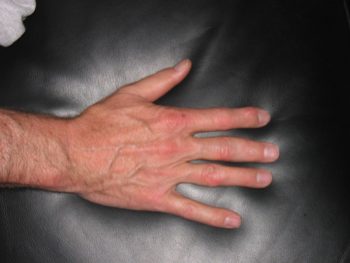
“IMG_9809” By Dan Wick licensed under CC BY 2.0
What may have started with a slight tingle every once in a while has become a complete loss of sensation in your hands or fingers. Hand numbness can greatly hinder everyday tasks and cause them to be more difficult. It can also be very uncomfortable to deal with other symptoms such as burning or tingling, weakness, and pins-and-needles. If you’ve been experiencing numbness or loss of sensitivity or feeling in your fingers, The Hand and Wrist Institute will help you learn more about potential causes and what to do next.
Potential Causes of Hand and Finger Numbness
Many different things can cause hand numbness. Whether it’s from damage, compression of a nerve, or irritation, numbness can interfere with daily activities. Many different conditions can lead to your fingers or hands going numb. Some of these conditions include:
Carpal Tunnel Syndrome
Carpal tunnel syndrome occurs when the median nerve that provides feeling to your hand becomes obstructed or pinched. Carpal tunnel syndrome can be caused by repetitive motions such as typing on a keyboard or using hand tools. It commonly causes thumb, index, and middle finger numbness and is sometimes associated with pain or tingling. Symptoms tend to be worse at night.
Rheumatoid Arthritis
Rheumatoid arthritisis an autoimmune disorder that can cause numbness in the fingers, swelling, pain, and tenderness in the joints. You may also experience a burning sensation in your hands. If RA is the cause, you most likely will experience symptoms on both sides of your body.
Ulnar Nerve Entrapment
Ulnar nerve entrapment affects the nerve on the pinky side of your arm and usually causes index and pinky finger numbness. You may also notice aching along the inside of your elbow.
Diabetic Neuropathy
Over time those with diabetes can develop diabetic neuropathy, which is a condition that damages the nerves. This can lead to numbness or tingling in the fingers. It may also cause pain, a burning sensation, weakness in the hands, and slow reflexes.
Additional Potential Causes of Numbness in the Fingers or Hands
Other conditions may cause your fingers sometimes to go numb. These include vitamin deficiency, infections, medication side effects, and ganglion cysts. You may also be suffering from an undiagnosed hand fracture.
When Should You See a Doctor For Finger Numbness?
While having a finger or hand go numb for a moment, especially after overuse, isn’t necessarily unusual, you’ll want to know when it’s time to seek medical attention. Seeing a doctor about any numbness in your fingers or hands is essential to determine the cause. If the numbness becomes persistent or spreads throughout the hand or to other parts of the body, it’s imperative to consult with a doctor. Other signs that it’s time to see a doctor are:
- Numbness that comes and goes.
- Numbness that gets worse with certain activities or tasks, especially repetitive motions.
How Will Your Finger Numbness Be Diagnosed?
When you visit us at The Hand and Wrist Institute for finger numbness, we’ll do a thorough exam to determine the cause of your finger numbness and come up with an accurate diagnosis and treatment plan. We’ll first go over your medical history and discuss any factors that may have played a part in your development of finger numbness. We’ll go over potential risk factors for certain conditions, discuss when your symptoms are worse and much more.
We’ll do a physical exam and order testing based on these results. This may include an x-ray, MRI, ultrasound, or nerve conduction test. Blood tests may also be ordered. Your physical examination results will help determine a diagnosis and treatment plan to improve or alleviate your symptoms.
Treating Finger Numbness
There are various treatments for finger numbness, depending upon your condition. Non-surgical methods may include:
- Braces or splints.
- Oral steroids.
- Steroid injections.
- Non-steroidal anti-inflammatory drugs (NSAIDS).
- Lifestyle or workplace modifications.
Sometimes these treatment methods will work for a while, and your numbness may return. In this case, surgery could be helpful depending on your condition. The only way to know for sure is to see a doctor.
For conditions such as carpal tunnel syndrome, surgery is an option. This is done by performing an endoscopic carpal tunnel release. This procedure is a quick one, and the faster it’s performed after symptoms start, the higher chance you have of preventing permanent nerve damage and living a life without finger numbness.
How Can You Prevent Finger Numbness?
Some finger numbness can be attributed to conditions caused by overuse injuries. This occurs when someone engages in repetitive motions, damaging or irritating the nerves. Some of the ways you can try to avoid finger numbness are:
- Take a break from activities every 30 minutes to an hour. This includes typing, using electronics, hand tools, etc.
- Practice good posture when using tools or a keyboard.
- Stretch the muscles in your hands frequently to help reduce tension.
- Use ergonomic devices such as a wrist rest or wrist brace when using a keyboard.
While there’s no way to predict the future, practicing care when performing certain activities certainly won’t make you more likely to experience finger numbness. If you’re already experiencing finger numbness, it’s probably time to see a doctor. The earlier you seek treatment, the more likely your symptoms can be treated.
Reach Out to The Hand and Wrist Institute Today
If you’re experiencing hand numbness and have been unsuccessful in treating your symptoms at home, reach out to The Hand and Wrist Institute Today. Our team of experts has decades of experience, and we’re here to help you find the cause of your symptoms and then work with you to develop a treatment plan that works best for you. If you’re ready toschedule an appointment, you can do so online or call us at (817) 382-6789, and someone will be glad to help you. You can also reach out to the Hand and Wrist Institute team via our convenient, secure online contact us form for more information or answers to your questions. Learn more about common hand and wrist conditions, as well as treatment options available at the Hand and Wrist Institute here.