Finger Joint Injuries
Call (817) 382-6789 to have this looked at, or book online with Dr. Knight.
What are Finger Joint Injuries?
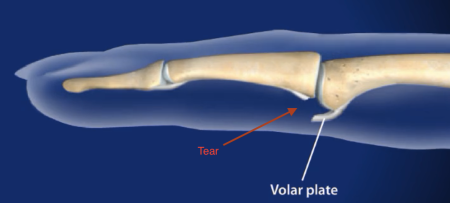
The four fingers on the hand are composed of three bones called phalanges (the thumb has two), ligaments (strong connective tissue that attach bone to bone), and tendons (cord-like tissue that anchor bone to muscle). The interphalangeal joints (IP joints) are like hinges that bend and straighten the fingers when pulled by muscles in the forearm. The IP joints are enveloped in volar plates which provide stability to the palm side of the joint and the collateral ligaments on each side providing side to side stability. These ligaments are a regular site of injury.
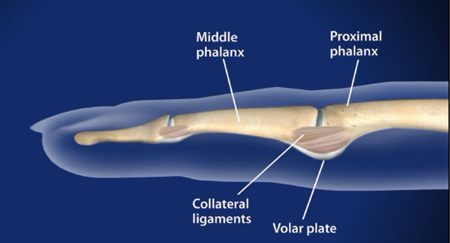
Finger Joint Injuries are relatively common place due to frequent use in everyday activities. If left untreated, any damage to the bones, ligaments or tendons surrounding these joints can lead to deformity and/or have long lasting effects on hand dexterity and function. Some common IP joint injuries include sprains, strains, dislocations, fractures, lacerations and crush injuries.
What causes Finger Joint Injuries?
The two primary causes of Finger Joint Injuries are overuse and trauma. Overuse or repetitive motion injuries cause an inflammatory cascade from the gradual wearing away of the supporting structures in the joints which can lead to bone, tendon or ligament damage. Mommy Thumb, Trigger Finger, finger tendinosis, and strains can all occur from overuse.
Traumatic finger joint injuries can happen to anyone; however athletes are especially susceptible. Trauma can result in a wide range of ailments that run the gamut from sprains (a ligament stretch injury), to dislocations and fractures. Gamekeeper’s Thumb, Boutonniere Finger, and Mallet Finger are examples of finger injuries that can result from trauma.

What are the symptoms of Finger Joint Injuries?
The exact symptoms experienced will depend on the injury sustained. Any combination of pain, stiffness, swelling, tingling, numbness, and/or erythema (redness) to the affected digit are likely. The inability to extend or flex the finger is indicative of soft tissue damage. In some instances, the finger will take on a peculiar new deformity.
How are Finger Joint Injuries diagnosed?
Proper diagnosis begins with a thorough history, review of symptoms and physical examination. The physician will ask questions and assess the hand for pain, range of motion and deformities. X-rays are used to determine if a fracture is present while MRI (Magnetic Resonance Imaging) is used to visualize the soft tissue. Once the nature and extent of damage is revealed the doctor will formulate a treatment plan to restore functionality to the hand.
How are Finger Joint Injuries treated?
Non-surgical
In many cases, conservative treatment is all that is needed to resolve Finger Joint Injuries. Resting the finger is critical to aid in healing. Ice, compression and elevation of the extremity may be used during the initial phase of treatment to minimize swelling. The digit may be immobilized in a splint to ensure proper alignment and deter use while the wound heals. Stiffness and reduced mobility of the finger can occur quickly, so it is important that range of motion exercises and physical therapy begin early on in treatment.
Surgical
In severe Finger Joint Injuries surgery may be indicated. Damage to the ligaments, tears in the tendons, and some fractures may require surgical intervention. The surgeon will discuss your options to determine which procedure is right for you. Recovery time is dependent on the extent of injury and surgery performed. In all cases hand therapy will be required to optimize hand and finger function.
Why See Dr. Knight for finger joint injuries?
Dr. Knight is a board-certified orthopedic surgeon and specialist in the care of the hand who has over 25 years’ experience in both surgical and non-surgical treatment of finger joint injuries. He uses state-of-the-art equipment and facilities to ensure the best possible outcome.
Dr. Knight is excited to be serving residents throughout the Dallas area. He’s one of the best hand doctors in Dallas and if anyone can help, he can. Come to our Dallas office or Southlake hand and wrist center at your convenience.
Frequently Asked Questions:
What is the difference between a sprained and broken finger?
Sprains are among the most common injuries to the hand and upper extremities, particularly to the fingers, because of the nature of those body parts as the most important manipulators on the human body. The hands are integral to almost every activity that a human engages in during the daily execution of activities, so it is not surprising that they are so prone to injury. As a result, sprains are very common, because the ligaments that join the bones in the upper extremity are prone to being damaged. A broken finger is just what it sounds like, where the bone itself is fractured. Breaks in the delicate joints of the finger often also include tendon involvement, so in some ways they are a cross between a sprain and a break, but bone involvement typifies a break.
What about jammed vs. broken?
Jamming can often feel like a break, but like a sprain (of which it is a type), it is typified by tendon involvement, rather than bone involvement, and so does not have as traumatic an effect on the finger and the joints therein. In a break, there will be intense swelling, bruising, and often open bleeding if the skin is pierced by the broken bone, or town apart due to the ferocity of the break. A jam may also exhibit swelling, but the nature of the injury is different, and the damage done to the joints will be noticeably different than that of a break.
How long does a sprained finger take to heal?
Finger sprains come in many different forms, depending on which tendons are involved, and the severity of the injuries themselves. In cases where the tendons of the finger joints are severed completely, the recovery time will be longer, not only because the tendon needs to reknit itself, but also because the surgery involved also has its own recovery time. Moderate sprains may take three to six weeks to heal, while the most basic of sprains can begin to heal in as little as 36 to 48 hours. Repairs that involve surgery will naturally take longer, anywhere from six to 14 weeks before full use of the affected finger is regained.
Animated Videos
Disclaimer
HandAndWristInstitute.com does not offer medical advice. The information presented here is offered for informational purposes only. Read Disclaimer