Trigger Finger Release - Frequently Asked Questions
The transcript below is YouTube's automatic one. Anatomy terms are the words the machine heard, so a few of them are wrong. The practice is proofreading them.
- Video ID:
m0Wu6rd9ItA - URL: https://www.youtube.com/watch?v=m0Wu6rd9ItA
- Uploaded: 2012-11-29
- Duration: 134s
- Views at capture: 132625
- Captions: YouTube auto-generated (no manual track published)
Description (channel copy)
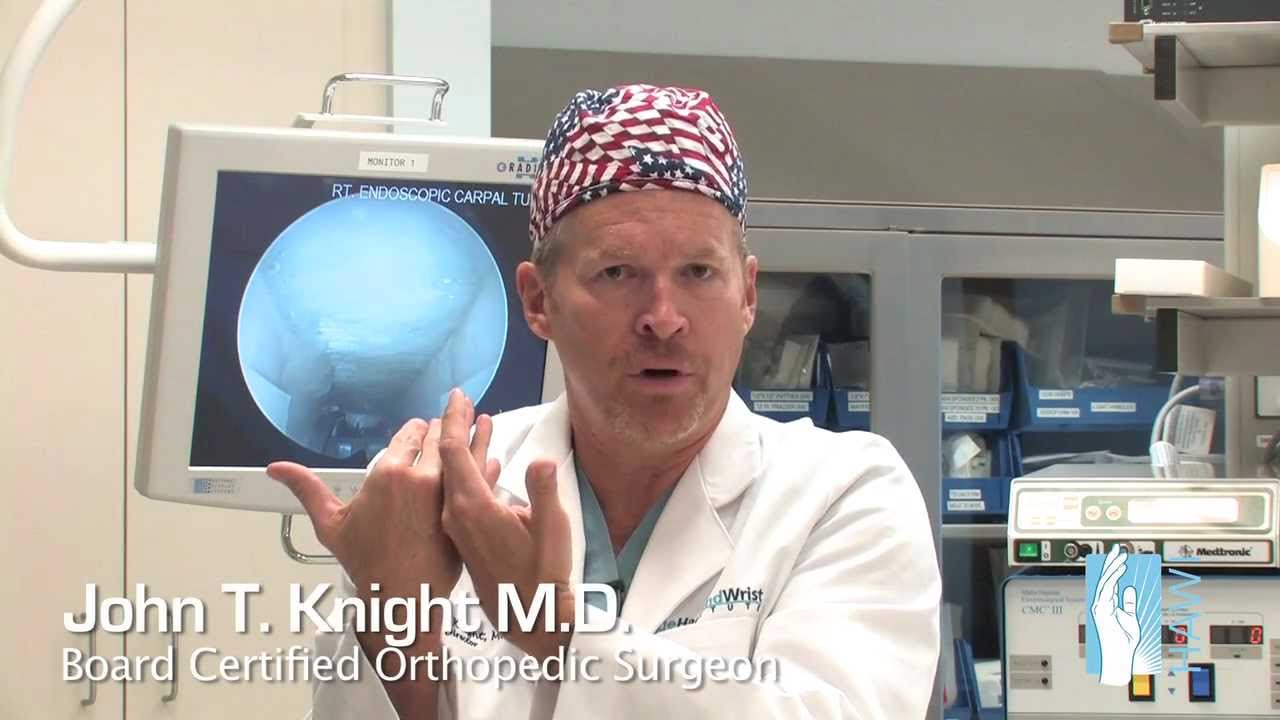
http://www.handandwristinstitute.com/trigger-finger-surgery-los-angeles/ - Dr. Knight in a question and answer session regarding Trigger Finger Release. Learn more about Trigger Finger with one of the leading hand specialists in the country.
Transcript
In mild cases of trigger finger, anti-inflammatory medications may help. However, the standard of conservative
treatment is usually a cortisone injection directly into the tendon to reduce inflammation. Within 3–5 days, you will know whether
this treatment will be successful. If conservative treatment does not help, surgical treatment is a quick and simple
procedure that cuts the ligament above the tendon, relieving pressure and resolving the problem. The surgery is performed after
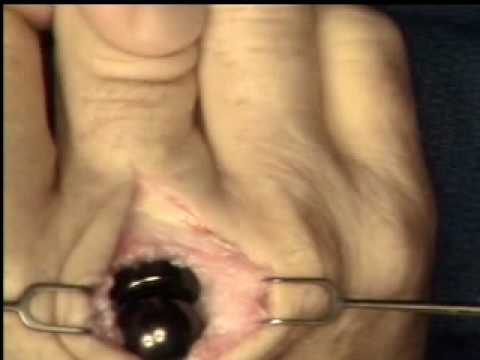
intravenous sedation and local anesthesia in the operating room through a 1 cm incision. Through a small incision on the palm, a
small ligament is cut, which relieves pressure from the tendon. After a few minutes, you will be asked to actively flex and extend your fingers to make sure the
clicking is gone. You will then be transferred to the recovery room, and you will be able to go home in 30–60 minutes. Recovery after
surgery is rapid: full mobility usually returns within a few days, and the ability to perform normal activities
within a few weeks. You may experience pain or discomfort at the incision site on your palm for up to 6 weeks. Recurrences after such surgery are extremely
rare; This is one of the few hand problems that usually does not return after surgery. Instead, similar conditions occur more often in other
fingers.