Good Morning America
The transcript below is YouTube's automatic one. Anatomy terms are the words the machine heard, so a few of them are wrong. The practice is proofreading them.
- Video ID:
pBaJPc5isU8 - URL: https://www.youtube.com/watch?v=pBaJPc5isU8
- Uploaded: 2009-11-10
- Duration: 351s
- Views at capture: 944
- Captions: YouTube auto-generated (no manual track published)
Description (channel copy)
(none)
Transcript
until these TLC this morning when you're up in the air and a medical emergency strikes there's really no place to go in no way for outside help obviously to get to you and that is why several US carriers have finally finally bowed to pressure to upgrade the medical
equipment carried aboard all of their flights American Airlines says it will soon begin re equipping its domestic fleet and other carriers plan to do the same by year's end our dr. Nancy Snyderman is joining us now to show us what the change could mean to travelers
welcome hi Charlie this is one place where the international carriers have been way ahead of our American carriers because most international flights do carry small portable defibrillators have so for years but United States regulations on what gear and aircraft
must have onboard well they haven't been updated in more than a decade and unfortunately that result as you're going to see in this report has sometimes been tragic last December on a flight to Miami 25 year old LaShawn Royals heart stopped beating Doctor John
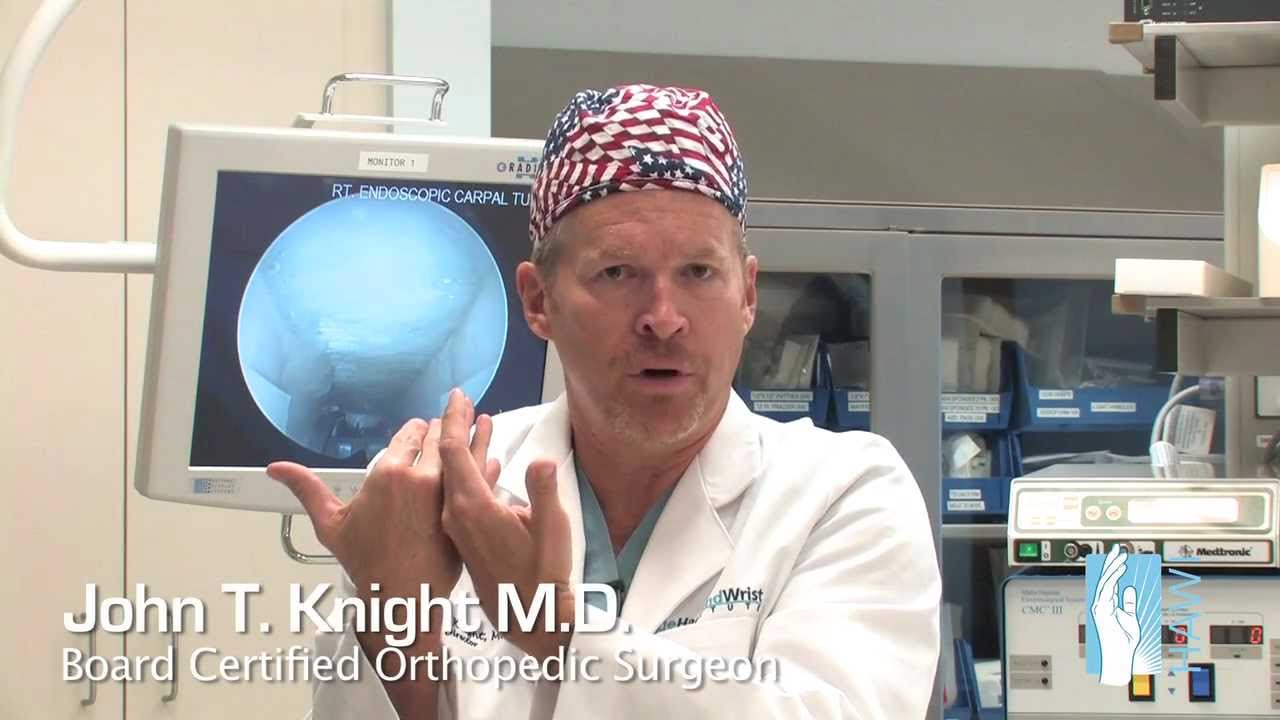
Knight a passenger on the plane tried to revive her but said he was unsuccessful partly because the plane was not carrying the proper medical equipment a defibrillator to restart her heart and an endotracheal tube to clear her breathing passage I felt helpless I felt
that I was watching someone drown with the ability to possibly make a difference and didn't have the the life raft to get out there to provide that life raft dr. Knight has made his mission to convince congress to demand airlines be better prepared for medical
emergencies passengers are far from safe on board airlines right now it wasn't until nineteen ninety-six that the airlines began keeping count of medical incidents in the air that year out of six hundred million passengers there were about 10,000 such events ranging
from mainly headaches and nausea to seizures and heart attacks most medical emergencies can be dealt with once you're back on the ground but if your heart and lungs stop while you're up in the air you only have about 10 minutes to be revived and that can be
a problem since the average airliner takes 20 minutes to get back to the airport if you don't get immediate help you're likely out of luck plug in pads connector next to flashing light the FAA hasn't upgraded its requirements for onboard medical equipment in 12 years
some carriers like Delta are voluntarily installing defibrillators and training their flight attendants to use them shock advised charging it is foolproof it interprets the heart rhythm it it displays an electrocardiogram on the monitor it makes all the decisions for
us stay clear of patients I'm clear I'm clear delivery talk now shock delivered without this device I I would have never made it my heart stopped Robert Giggy was clinically dead his heart stopped suddenly on board an American Airlines plane fortunately there was a paramedic
on the flight and the plane was carrying a defibrillator in less than two seconds it had started the heart it had sent the voltage by the third second the heart was started his jaw had locked they could not get air into him the paramedic and the American Airlines crew had the
training it was not only to use the equipment but to unlock the jaw and get oxygen into him Robert Giggy was lucky the defibrillator and the paramedic saved his life but medical personnel are often reluctant to step forward on an airplane for fear of being sued and dr.
Knight is pushing to change that too there's not a federal good samaritan wall that essentially would apply to airplanes and until that that's there a lot of physicians particularly with all the publicity now are not going to get out of their seat to help it's been
nearly five months since dr. John Knights frustrating attempt to save the life of LaShawn royal he continues his fight to get Congress and the FAA to force all airlines to free inflight medical aid because how many 25 year old loves should be lost or
any lives for that matter in March Congress did pass a bill that will create a federal Good Samaritan Law and direct the FAA to consider requiring all airlines to carry defibrillators and updated medical kits now I have one of these kits here and I should tell you
that just the other day I was asked is there a doctor on board and I opened up the kid and it was laughable there was nothing in it this is what doesn't it smell this is one of the new and improved ones it has all kinds of stuff in it including in case you're perhaps a
physician and you haven't kept up with everything a little how-to guide on some of the more recent things but all kinds of very important medications including things for low blood sugar valium all kinds of stuff restarting heart tubes and even more important these are the
tubes laryngoscopes for being able to put a tube down someone's breathing passage and breathe for them and IV bags finally things that can make a difference and literally on the air save somebody's life and this is the defibrillator the defibrillator and
flight attendants will be trained to do this so it's going to work and I must tell you it's about time and it's taken so long just cuz the airlines are weird but we are worried about being sued yeah all right goodness Nancy thanks very much
you