Dr. Knight discusses TFC surgery on the Doctors TV show
The transcript below is YouTube's automatic one. Anatomy terms are the words the machine heard, so a few of them are wrong. The practice is proofreading them.
- Video ID:
qVowp_RLmAQ - URL: https://www.youtube.com/watch?v=qVowp_RLmAQ
- Uploaded: 2015-07-07
- Duration: 353s
- Views at capture: 4571
- Captions: YouTube auto-generated (no manual track published)
Description (channel copy)
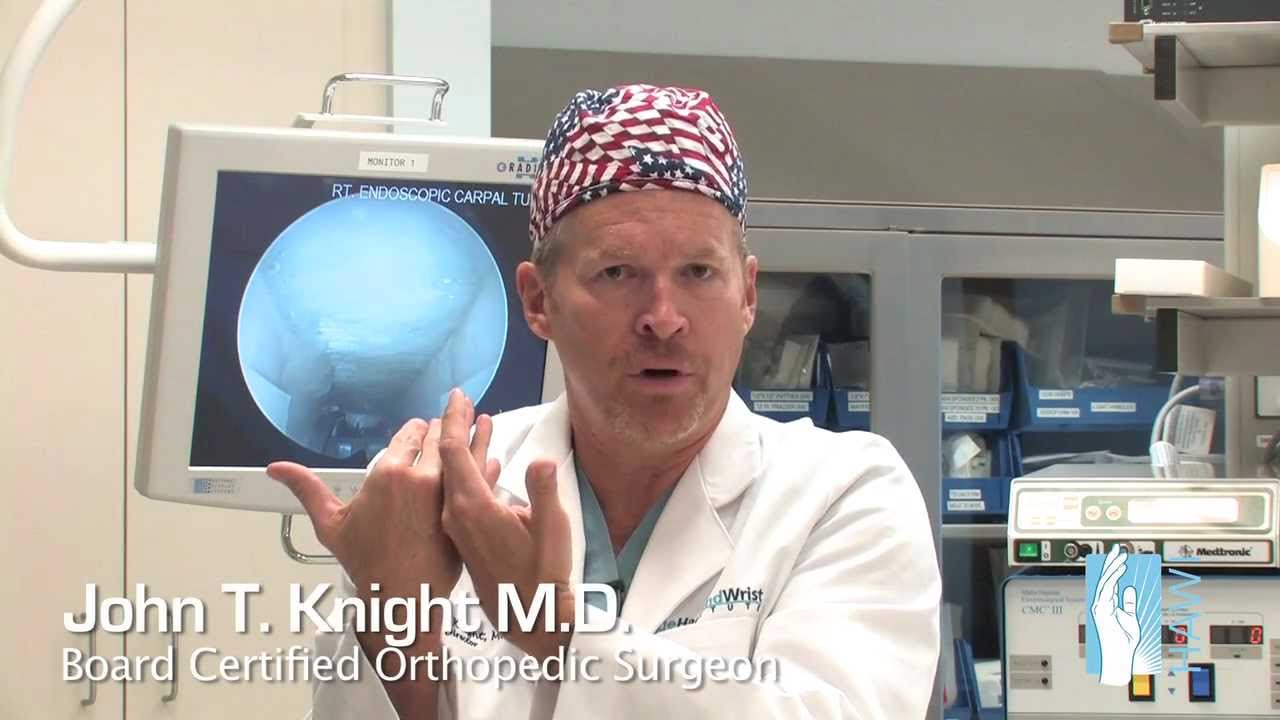
Dr. Knight shows successful TFC surgery on one of his patients on the Doctors TV show.
Transcript
Allergies, asthma, hay fever. Today we're covering some of the top health dangers that occur in the spring. Most of us come springtime, we're eager to get active. But did you know that you could be putting yourself at an increased risk of physical injury? And
right now, we're going to talk about wrist injuries because in the spring, we're starting to do things we haven't done all winter long. gardening, golf, tennis, these all involve repetitive motions of the wrist that can lead to injury. So, the key in spring is start
slow. Make sure you're warming up, building up some endurance. The other big thing that'll happen in spring is we get outside and what are we doing? Uh, we're doing things like rollerblading. Some of you brave souls will even go out on the motorcycle, yoga, trying to get
in shape. What happens in a lot of these activities? We call it a fall and an outstretched hand. very common cause of wrist fractures and wrist injuries. And our next guest has been suffering with wrist pain since last spring, and it looks like she's ready to get rid of it
once and for all. Hey doctors, one day after work, I was experiencing a lot of pain in my wrist. I've tried treatment for carpal tunnel tendinitis. I've even had cortisone shots, but nothing seems to work. Do you have any idea what it might
be? We got the MRI and it does show a cartilage tear. It's called the triangular fiber cartilage which holds the two forearm bones together and gives us stability. And so the next step I think to resolve the problem would be to do a little minimally invasive
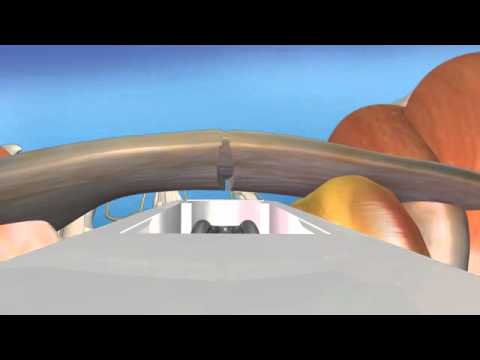
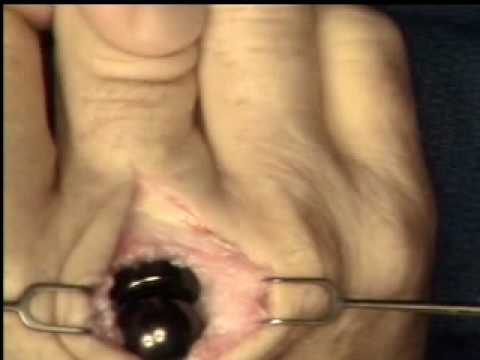
arthoscopic surgery procedure. I'm going to inject some fluid in there that will distend the joint and allow the scope to go in easier. And we'll make our first of two cuts. And this is the canula that the arthroscope or lighted tube will go
through. light on, please. That's the end of the radius bone or the forearm bone. You can see right there the edge of the tear. It's flipped up right here. Normally, it attaches right along here. So, I'm going
to start trimming it out now. And we just want to trim around the loose edges till we get back to a nice cartilage edge that's not flopping around. Now, we're going to look over on the other edge of the wrist here, just to see if there's any other ligament damage. In
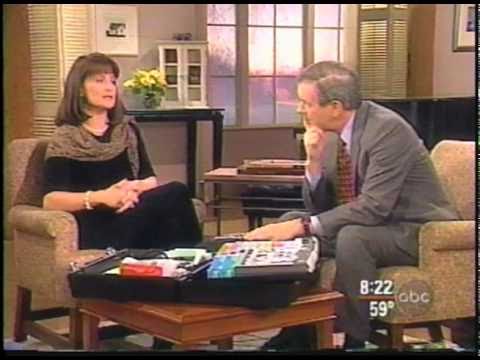
this case, her ligaments look fine, and it's just a simple cartilage tear. I think we're done. I'm going to put a couple stitches and a little splint on. I'm here with orthopedic surgeon Dr. John Knight from the Hand and Wrist Institute in Beverly Hills along with
his patient Melissa. How are you? Good to see both of you. So, wrist pain, sprain go hand in hand. Absolutely. Walk us through what you did in Melissa's case here. Sure. Well, towards the outside of the the wrist on the little finger side of the wrist,
there is a cartilage called the triangular fibroartilage. It's like a cartilage in the knee. And it is well, here we go. It's in this area right here where the radius bone and the ulna bone. And here are all the eight little bones in the wrist and the hands down here.
But it's in this area that from a fall or torquing injury that you can tear this little triangular cartilage. And so what we do in the in the for arthoroscopic surgery 90% of the time the tear is a little slit in the cartilage. And all we do in this case is
uh with arthoscopic s surgery like we saw before uh in her case is we make two little tiny cuts in the in the wrist and put a probe and this is a is a scope that's attached to a digital monitor much like the monitors in here that show us uh everything in the wrist. And we go
in and we probe the tear. And then we have another device that actually is like a little debreer that goes in and trims out the tear and sucks it out. And what it is, so it's one of the few times where you're actually taking a a tear, a little slit, and making a bigger hole.
And that removes the edges from one another and competitive athletes, uh, elite athletes to people just doing lifting. It's highly successful surgery. 95% success rate going back to doing whatever they did to begin with. And it promotes healing without having to go in
with a big open surgical scar that takes a long time to heal. When was when was this done? The surgery was done about six weeks ago. How are you doing? I'm doing great. I mean, the pain that I had before the surgery is gone and with physical therapy, I'm regaining strength
and flexibility. And so, there are so many options out there. Wrist pain can be very difficult to diagnose. If you've had unrelenting wrist pain, Dr. Knight walked us through sort of the steps you could take. should probably go see a specialist. But for the rest of us
spring athletes, what what can we do? What is what are some of the tips to avoid injury in the first place? It's important to warm up, stretch. Um if you feel any pain, stop, ice. Icing is important. Um if you're doing things like rollerblading, proper wrist guards
are important. If you're uh lifting weights, it's important to have it be in a constrained system where you're not uh suffering a torquing injury to the wrist. people that are doing a lot of push- ups with their wrist extended, you want to try to do everything with the
wrist in a neutral position. That's so important to the ligaments. And the one thing I've always noted, something I've always seen in the emergency department is the people who end up they injure themselves, but they don't end up needing a very extensive surgery or they
don't occur a break. It's when you stay active in the winter. So try to try to move into spring being active during those last few winter months because so many people just put everything away for the winter and then they come out in spring charging hard and then boom,
wrist injury puts them on the sidelines. We're so glad you're no longer on the sidelines. Thank you so much, Dr. Knight. Appreciate it.