Extensor Tendon Surgery
The transcript below is YouTube's automatic one. Anatomy terms are the words the machine heard, so a few of them are wrong. The practice is proofreading them.
- Video ID:
MCQqlnBRV0g - URL: https://www.youtube.com/watch?v=MCQqlnBRV0g
- Uploaded: 2014-12-13
- Duration: 575s
- Views at capture: 96403
- Captions: YouTube auto-generated (no manual track published)
Description (channel copy)
http://www.handandwristinstitute.com/extensor-tendon-injuries/ - The tendons that start in the forearm and extend across the hand into the finger and allow for extension of the digits are called extensor tendons. Because they are so close to the skin, and such long structures, they are very prone to injury anywhere along their path of travel. Like the flexor tendons, they anchor on the PIP and DIP joints separately, and these anchorage sites are primarily where they are injured through trauma.
Boutonniere deformity occurs when the tendon is torn away from its anchor at the PIP joint, causing it to drop noticeably, paired with hyperextension in the DIP joint. A special brace, called a PIP extension brace, is used to hold your finger in place for six to eight weeks, allowing the tendon to knit itself back to the bone and regain function. It is important to note that the splint must be worn constantly, and if it is removed for any reason, the entire time frame must be restarted.
Mallet finger is another common extensor tendon injury, and it is the same mechanism as boutonniere finger, but it occurs to the DIP joint. The tendon is torn from the bone and the tip of the finger drops down in immediate flexion. Again, a custom designed splint called a STACK splint is utilized to treat this injury. It holds the joint in a slightly hyperextended position, bringing the tendon and the bone together and promoting healing. As with the other splint, it must be worn constantly, and any removal with completely render useless the previous time spent in it.
Lacerations of the extensor tendon require surgical intervention to fix. They are sewn together as with flexor tendon injuries, using sutures that hold the tendon together and allow it to grow back together. The sutures must be strong enough to hold the tendon, but delicate enough not to impeded motion in the tendon sheathes and pulleys. After injury to the tendon, splinting can be extensive and often other special splints are required to help develop range of motion. Twelve weeks is the general recovery time for injuries of this nature.
Transcript
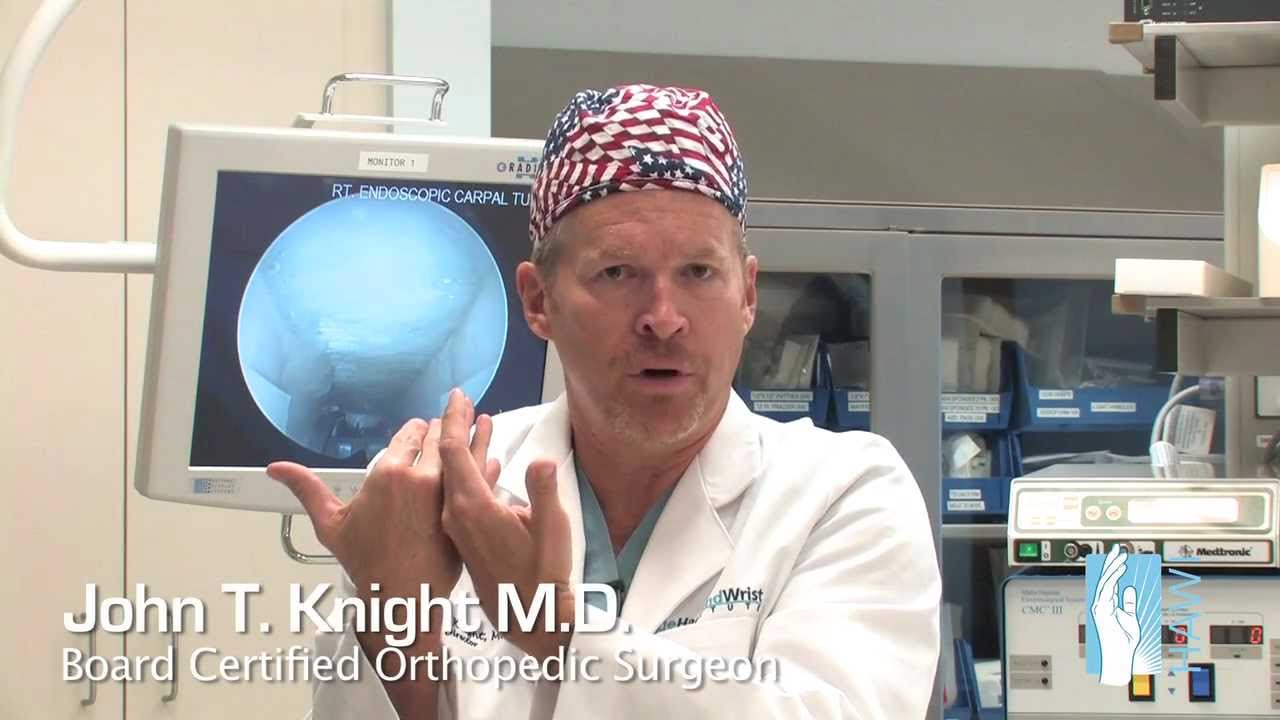
let's take a look at at extensor tendon surgery first off let's take a look at the anatomy the extensor tendons come from the forearm down across the wrist on the top surface and come down and extend the fingers straighten the fingers out flexors bend the fingers
extensors straighten the fingers so we're going to concentrate on the extensors they come down across the wrist through several compartments and they can be injured anywhere along this line so the tendons come across the knuckles and then out in the finger gets
a little complex the fing the extensors insert at the base of the middle failinks at the PIP joint or that middle joint and then they split off into two lateral bands that go out and extend that very last joint or the dip joint and the key is with these with the
extensor mechanism in the finger is it extends those two joints simultaneously so any injury whether it's a laceration or a tendon rupture that can affect that that synchronization uh between those two tendons and really and cause certain
deformities so let's take a look now at me at the mechanisms of injury Kobe Bryant dunking the ball um jamming fingers volleyball players u basketball players that grab uh balls in their hand can jam the fingers and then there's simple injuries that can uh cause torn
tendons such as just simply with a mallet finger we'll see in a minute can just simply tucking the sheet uh under your bed can can just abruptly bend the joint in a different position calling these very fine causing these very fine tendons to tear away from the bone
causing deformities so let's take a look at actually some of the of the injuries mallet finger as you can see here so a mallet finger is looks like a mallet the the last joint or the dip joint is flexed and that again occurs usually from tearing the tendon away from the
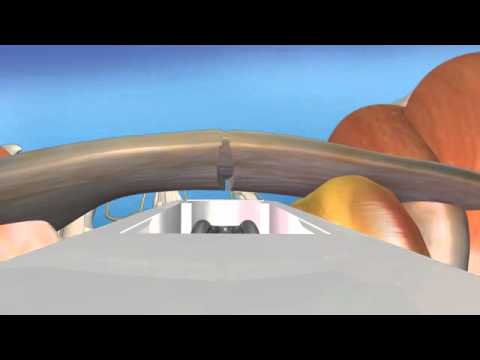
bone let's look at this in more detail on the next image you you can see the extensor tendon it's really just like a paper thin tendon that's coming right across this joint attaches to the Bone so what happens is you tear the tendon as you can see from this red line and
now you can see the broken tendon so it it the the tendon can no longer straighten the joint and this actually is pretty painless unless of course there's a more of a crush injury where sometimes the the bone tears away from the bone as opposed just the tendon
tearing away from the bone so how is this treated let's take a look it's called a stack splint now St K stack splint and these can be these can come different s they're already prefabricated and the therap we usually send you to a
therapist and they'll put these on and sometimes they'll make more of a custom one that's lower profile and the key is we want to hold that joint slightly hyperextended so the tendon can has a chance to heal back to the Bone so as you can see here the splint is in place
it takes about 6 to eight weeks in place and if it comes off at any point during that healing period you got to start all over but this can be effective up to several months from the time of the injury but the qu the sooner you get the splint on the sooner the healing period
so let's take a look now at what the next deformity called a butiner deformity so at the PIP joint the middle joint now your the tendon becomes torn and forms this boot near to form a flexion at the PIP joint and Hyper extension at the dip joint as you can
see here so let's look a little deeper into what actually is happening you can see the extensor slip or the central slip right on top of the PIP joint becomes torn and as a result the joint starts to flex the middle joint as you can see in the next image the lateral
bands or these tendon this tendon along the outside of the joint starts to actually migrate towards the Palm side of the digit and actually becomes a flexor of the PIP joint and then it becomes too tight remember they're working in unison and the dip joint
starts to hyperextend so how do we treat this well conservatively usually and we'll put a brace on as you can see in the next image and it's a a pip extension brace and this holds that joint the middle joint straight but it allows flexion at the distal joint
because that's important to get those those tendons Back in Balance in some cases though if it's late late to come to the doctor that joint may be fixed meaning we have to go in and relieve the contracture just to get it straight so those tendons have a chance to heal now
let's take a look at at the most common tendon injury you got it comes from cutting slicing saws anything sharp penetrating objects that can cut the skin can cut these little tendons and so commonly what happens is um from even from cooking most common injury is
actually getting an avocado pit out of an avocado is that it involves this awkward maneuver with the tip of the knife and it can skure the the digit or the the uh area of the hand or wrist causing uh ATT tendon laceration so let's actually take a look at a tendon
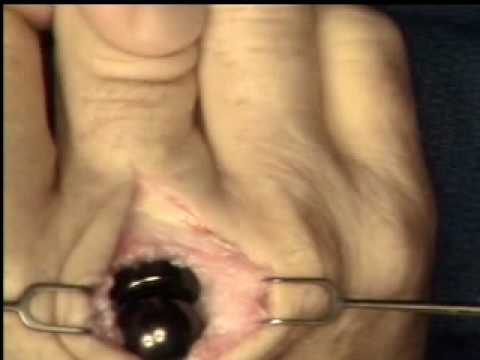
laceration this gentleman had a saw injury cut across the tops of the knuckles about the at the base of the index and middle fingers you can see here this Gap this is the white structure that I'm holding between the forceps or tweezers is is the tendon
laceration you can actually see down into the knuckle joint so what do we do we put several little fine sutures in place to actually sew that back together as you can see in the next image nice tidy repair right here we Clos the skin and then place the patient in a splint
uh for several days and at the initial post-operative evaluation that's the time that the hardest part of re abilitation begins so let's take a look now at the postoperative therapy which is one of the most critical points today we're joined by Jeannie
Robinson who's the head therapist at at California Hand Therapy here in Beverly Hills who's going to walk us through the recovery and Rehabilitation that's so critical to extensor tendon surgery so I see you have this on tell us what are the indications where is the tendon cut
in the hand to Warrant this Gizmo okay so the tendon is cut in zone four zone five this is specific specifically to the index finger extensor tendon um so this is made so that we can start some early active motion so early active motion is going to help promote the
Tenon gliding okay and so Zone again the zone is between roughly this strap and the knuckle here would be the zones between the wrist and the knuckle is where you would wear this right exactly okay and so walk us through kind of the time period that you have to like you'll
start wearing this right soon after surgery but how long are you in this um typically you're going to be in the splint for about four weeks so what this does is allows some graded motion right now the splint is set so that we can move the index finger to about 30°
flexion at the MP joint and so each week we're going to allow the mo the motion of that MP joint to be a little greater uh so typically this is worn for about four weeks and then after four weeks the patient is allowed to make a full fist so make a full composite fist with wrist
extension and then about five weeks they can move into full composite uh fist with wrist flexion right uh and then after that about six weeks we can start doing some strengthening okay so Total Recovery what 3 to four months or how um I would say you know 12 weeks um until
the patient can do everything that they normally did before the injury great all right earlier we also talked about um boot near deformities this can be from elass ation or more commonly from just blunt trauma jamming the finger and so she's going to walk us through this is a
splint for a Boer injury so tell us you know about this what's involved and and how long I have to wear this okay so the important thing about this brace is that you have to wear it all the time we don't want any motion at all at the PIP joint which is the middle joint uh and
typically you're going to have to wear it for about six to8 weeks and often times I'll make a second splint for the patient to sleep in that just holds the whole the whole finger or just the not the whole finger so really this is just immob immobilizing the uh pip joint um
so we actually want some motion at the tip so you want to do this exactly and that how often do I do this during the day uh I have my patients do it every hour okay and then after this comes off what's the you know just regular it's obviously going to be stiff then how
long do it take usually what's the average recovery time to get over this kind of injury I would say average recovery maybe about six to weeks okay great and then we have one more injury we talked about earlier again usually it's not from a laceration it can be
it's called a mallet finger where you tear the terminal tendon out here just just before the fingernail and the finger droops um this is as we talked about earlier there's a stack splant that that we showed a picture of earlier that kind of comes in different sizes
like shoewear and sometimes it doesn't fit properly and so a lot of times they'll do a custom splint because it fits better it's lower profile so tell me again how do how does this go is this the way it goes on and yeah that's perfect can you tape it or you got it
yeah we tape it cuz we really want this to stay on the finger and because it's on such a small part of the finger velcro is really not going to cut it right because if it comes off it kind of starts all over you that's true yeah if this comes off it if the finger bends it
all then you have to start from day one again and how long do you leave the patient in this typically I six to eight weeks just depending on the healing right all right this has been very helpful and uh for this and uh many other conditions please check out our
website all right thank you