Tennis Elbow Surgery
The transcript below is YouTube's automatic one. Anatomy terms are the words the machine heard, so a few of them are wrong. The practice is proofreading them.
- Video ID:
bW2jpzl1FSY - URL: https://www.youtube.com/watch?v=bW2jpzl1FSY
- Uploaded: 2014-11-09
- Duration: 254s
- Views at capture: 534136
- Captions: YouTube auto-generated (no manual track published)
Description (channel copy)
http://www.handandwristinstitute.com/tennis-elbow-specialist/ - Pain at the outside or lateral side of the elbow is generally associated with Tennis elbow, also known as lateral epicondylitis. While it is named after a sport where it is typically found, tennis elbow can be found among many different types of people and activities. Most often, people who work in office environments with lots of typing and use of a mouse, or those in manual professions involving use of hand tools can also display symptoms of this injury.
The lateral epicondyle is the part of the body most commonly referred to as the funny bone, and it is this area that is affected by Tennis elbow. Overuse of the elbow can cause the muscles to tear away from the bone slightly, and with each tear scar tissue develops, which can lead to irritation and constriction of nerves and tendons in the area.
Rest is the primarily indicated treatment for tennis elbow, as the very nature of the injury results in overuse. Constant icing is also an accepted treatment, and can greatly reduce inflammation and irritation to the lateral epicondyle. Palm-up lifting is a good practice to engage in to avoid irritation as well. Anti-inflammatories may be necessary, but bracing is also an important treatment. Counterforce braces are designed specifically for tennis elbow sufferers, and they are designed to put pressure on the muscle so that it would not pull so much on the connections to the bone.
Surgery for tennis elbow is a short affair, of about twenty minutes. The affected area is opened surgically, and after the scar tissue affecting the area is removed, as well as any bone spurs or prominences leading to irritation. Small holes are drilled in the bone so that it will bleed nutrient rich blood into the wound area and promote healing. Following surgery, two to three weeks of immobilization in a brace will be necessary before a regimen of therapy is begun, which will last for two to three months. This type of procedure has an 80% success rate.
Transcript
Let's talk about tennis elbow surgery. Tennis elbow or lateral epicondylitis is an inflammation or tendinitis occurring at the outside of the elbow that can cause considerable pain. There are many activities that can cause this, but one of the most common, where it gets its
name from, are tennis players hitting repetitive backhand as seen with one of the top players in the world. Other activities that can cause this, repetitive keying on the keyboard all day or using the mouse. And finally, forceful activities such as swinging a
hammer all day at the construction site. So, what do we do about this? Well, let's take a look at the overall pain pattern first. And the circle or is the area on the denoting the bony prominence on the outside of the elbow where this uh pain can emanate from. It can
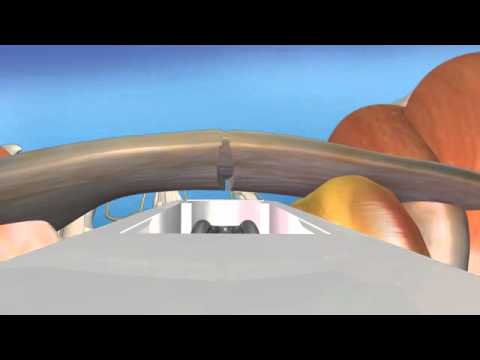
actually radiate down the forearm a bit. It's increased with resistant uh extension of the wrist. So, let's take a look at the anatomy to understand this better. You can see the muscles uh that originate the wrist extensor muscles come uh from up toward the elbow
and go all the way down to the wrist. And it's in that circle area where the uh muscles originate from where you can get tears in the muscle leading to this epicondylitis or painful condition. As you can see here, the lateral epicondyle or outside of the elbow is where that
muscle originates from. So, let's take a look at the treatment for this. It's an overuse predominantly problem, so the first thing you want to do is rest the arm. Uh laying off the tennis, laying off whatever work activity or day-to-day
activities precipitate it. Icing is key. Placing a lot of ice around the clock can reduce swelling and inflammation, particularly right when the symptoms start. Palm up lifting. We ask the patient to lift with the palm up because that puts the stress on the inside of
the elbow, letting those muscles rest as opposed just to picking up a purse with a palm down can be very very painful. NSAIDs, nonsteroidal anti-inflammatory medication at medication such as ibuprofen can reduce inflammation and swelling. Bracing is one of the most
important things you can do for this condition. It's called a counterforce strap or a tennis elbow brace and it's this black band right here. This one's built into it a sleeve, but many come just with that that band. That band goes about three fingers below that bony
prominence right here on the upper forearm. A lot of times they'll have a little pressure point. We want that pressure point right over the extensor muscles here. What that does is it clamps down on those muscles and prevent and so the muscles think they're
originating from where the brace is during activity letting that damaged muscle behind the splint or brace hopefully heal. If the brace doesn't do it, there's some other treatment options. Therapy particularly what is is beneficial particularly once the pain
has subsided we want to start strengthening those strengthening those muscles. Finally, injections of Celestone or cortisone shot and a PRP injection those you'll see doctors using from time to time and they can be beneficial, but usually it's a
short-term benefit and over the long haul they don't have have not been proven to be successful, but they can keep you in the game and buy you some time. But overall we see this happening way too frequently where the where you go into the doctor's office and give you
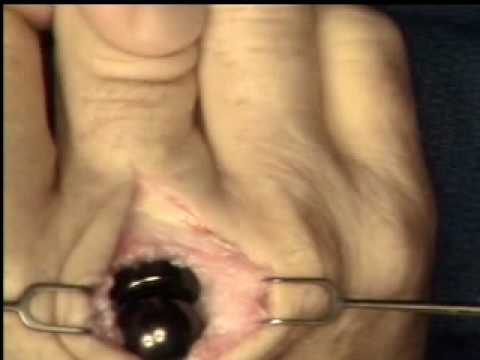
the injection right off the bat when all these other things likely will resolve the problem. However, all this conservative treatment doesn't work, surgery may be beneficial. So there's a 20-minute outpatient surgery where we go in and we open up that torn tendon.
And you can see here we're cutting away the scar tissue that's formed or or granulation tissue and then we're going to take this little burr and we're going to remove bone spurs or and then we'll put several little holes in the bone that will promote bleeding
and hopefully allow this muscle to heal back to the bone. After surgery we'll place you in a brace for about 3 weeks before we that goes from the wrist all the way above the elbow, completely immobilizing the arm for
about 3 weeks before beginning therapy. The total recovery time after this is about 3 months. The overall success rate is about 80%. For more on this condition and many other conditions, check out our website.