Flexor Tendon Surgery
The transcript below is YouTube's automatic one. Anatomy terms are the words the machine heard, so a few of them are wrong. The practice is proofreading them.
- Video ID:
nrZdYJdrSCo - URL: https://www.youtube.com/watch?v=nrZdYJdrSCo
- Uploaded: 2014-12-13
- Duration: 512s
- Views at capture: 204556
- Captions: YouTube auto-generated (no manual track published)
Description (channel copy)
http://www.handandwristinstitute.com/flexor-tendon-injuries/- The tendons that allow you to flex your fingers are known, appropriately enough, as flexor tendons. They start in the forearm and travel through the carpal tunnel, over the palm, and into the fingers. The two flexor tendons in each finger anchor at different places, one at the middle joint, or PIP joint, and the other at the finger tip. On the way, they pass through pulleys, or tissue bands that hold them in place.
The most common injury to a flexor tendon is a laceration, which can be from a knife, or due to an industrial injury. Typically, structures such as nerves and blood vessels are also affected by injuries to these tendons.
Because they are held in tension, when tendons are cut, the two disconnected ends retract into their respective sheathes, and so must be fished out in order to be rejoined with surgery.
Jersey finger is also a common injury to the flexor tendon, caused when the hand grasps an object such as a sports jersey, causing the tendon to tear away from the tip of the finger.
The surgery to rejoin lacerated tendons is a complicated one, wherein the two edges are physically brought together and then sewn into place with an elaborate weaving stitch, referred to as the core suture because most of the body of the suture lies within the tendon itself. The joint is then strengthened with a finer suture, so that it can move easily in its sheathe after surgery.
After surgery, the patient is splinted for a few days, after which a very rigorous regimen of therapy is begun. Because of the delicate nature of the injury and tendons, you must be careful to keep up with this therapy, or full mobility may not return. It will begin with passive, then active range of motion activities to ensure full function of the finger without stressing it too much. This will continue for several weeks, culminating in a full recovery period of approximately three months, or twelve weeks.
Transcript
let's take a look at flexor tendon surgery first let's take a look at the anatomy what is the flexor tendons well the flexor tendons are the tendons that come up through the fingers along the Palm side come out of the carpal tunnel all the way the tip of the fingers the
muscles are here and the and they cause contractions of those tendons allowing you to bend the tendons into the Palm but they're very important sheaths that the tendons that they're two tendons that go to the tips of the fingers and one to the thumb and they go through a
little system of bands or what we call pulley and there's several pulleys in the fingers that are critical to the function similar to a rope going through pulleys it allows the mechanical advantage of the tips of the fingers to curl into the Palm very critical so
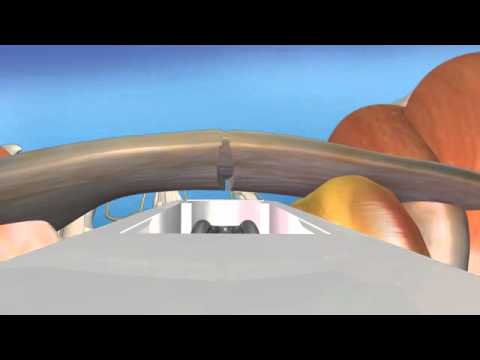
ultimately let's take a look at the next image that shows these pulley from the side view you have two tendons in this finger one goes out and attaches to the base of the middle failen that bends the middle joint and then the other the profundus tendon goes all the way to the
tip of the the last joint that allows that bend and these work again in unison to allow that fingertip to come into the Palm so let's take a look now at the actual uh two tendons in that come down as I said one comes in goes to the middle joint or the PIP joint it ex it
splits off into a wide to either side of that joint and then the profundus tendon comes all the way to the tip of the digit so let's take a look now at the actual mechanism of injury the most common injury is a knife or uh or laceration skill saw you name it that
cuts through the skin can easily cut these tendons and usually there's uh in many cases an Associated artery or nerve that's cut with with loss immediate loss of feeling to the finger so when the tendons are paired so should these other other um structures so let's take a look
now at the what's happening with the tendon laceration tendons are coming through the pulley system here this is actually called No Man's Land in the middle of the finger where these two tendons are together because in the old days people wouldn't even try to repair
these because they had terrible results now with meticulous tendon repairs done right away the results are very good so let's take a look now as we go deeper down through the through the pulley both tendons are cut and in the next image you'll see the tendon start to pull
apart as you can see here the tendon goes into the palm and goes out towards the tip of the finger leaving the sizable Gap that these tendons we have to when we go in surgically will cut open the finger usually from the tip all the way to the Palm so we can fish this
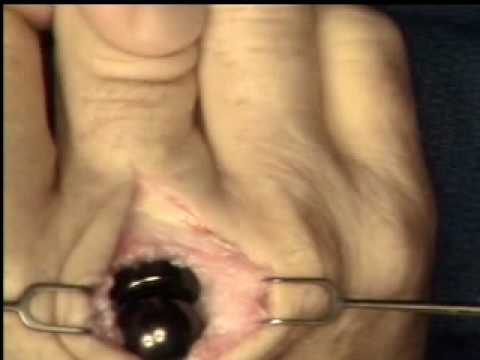
T this tendon all the way back to the point where it needs to be repaired had so it's a meticulous repair so let's take a look now at an actual open patient right here with the uh two flexor tendons at the tip of the arrow you can see have been cut and we again
Flex the tip of the digit so we can get those tendons in close proximity for a good repair so let's take a look now at the next most common type of injury it's a called a jersey finger where you a football players or rugby players are grabbing a jersey and that tendon as
it's Contracting rips away from the tip of the bone but the other tendon that bends the middle finger or the PIP middle joint or the PIP joint is there you just can't bend the tip of the finger so let's take a look at what's actually happening you can see here an
extended digit at the tip patient comes in they can't bend the tip and as we go down to the next image here you can actually see what's happened the tendon has torn away from the right out towards the insertion into the bone or sometime usually off of the bone and then it
retracts usually uh up into the upper part of the digit or in actually into the Palm so when we go in let's take a look now at the actual tendon a typical tendon repair we take a suture and we weave this suture through in a in a very meticulous fashion through both ends of
the tendon and pull it together and one and then as you can see here from the next image you can see the repair uh these Loops here is where we've done the what we call the core suture that's usually a very robust Stitch that's hidden in the within the substance of
the tendon then we take a very fine suture and run it around the out outside called an epitendinous repair just to tidy up those edges because we want that tendon to Glide smoothly back and forth between those um between those little through the tunnel or through those
little pulleys so let's take a look at actual tendon repair you can see this what called fiber loop it's a very strong suture we use now similar to Kevlar the bulletproof vest and and this we run this in a double strand as opposed to the the older fashioned
sutures much stronger allowing for a much quicker recovery because the sooner these tendons can move the much less adhesions are scarring and ultimately the higher success rate so let's take a look at an actual tendon repair as you can see right here the tendon nicely
repaired you can see the pulley just at the base of that that the tendon is fixed once we once we repair the the tendon and and any other structures like the nerve or artery then we sew the skin shut put you in a big bulky splint that's on for several days then the
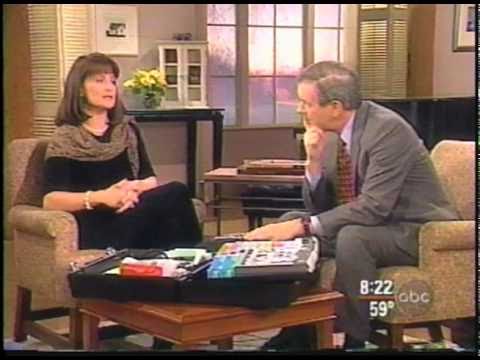
critical point starts the re Rehabilitation or recovery phase that's the most critical that we need to talk about now now we're going to talk about the very important critical Rehabilitation for flexor tendon surgery joining us is
Jeanie Robinson who's the head of California Hand Therapy here in Beverly Hills Jeanie flexor tenant injury this side of the hand I guess anywhere from the wrist out to the fingertips this is is critical so to walk us through what this device is and and when it all
starts sure absolutely this actually starts immediately after the surgery so this splint is put on as early as three days after the surgery so the patient will actually have the stitches in when we start their therapy okay so so walk us through what what are you going to
have me do if I have a cut 10m or in your in the case you're wearing this what are you going to have yourself do okay so what what we usually start with is we start with passive range of motion so if the Tenon was just repaired it's going to be pretty weak and it's not
usually going to be able to withstand a lot of force so we wouldn't want the patient making an active fist on their own so what we have them do is we have them do some passive exercises so we have them take the injured finger and we have them bend it with their other hand
and that does a couple things so that's going to help make sure that the finger joints stay nice and loose and it's also going to provide a little bit of t lighting so that a scar tissue adherence will be less likely okay so after so that goes on for how long and then
what's the next step after that so that goes on for about three weeks and at three weeks we start the patient with some early graded active motion so what we have the patient do is they again passively Place their hand into a fist and then we have the patient let go and
hold that so it's a place and hold exercise and usually what I have the patient imagine is they imagine that they have a butterfly in their hand so the amount of tension you want to have is you want to pretend that there's a butterfly in your hand that you don't
want to let the butterfly go but at the same time you don't want to kill the butterfly so that's the amount of tension that you want when you do these exercises makes sense so then five five to six weeks you're out of this the splints remov then what do you do so
then we're going to start some uh again we'll have the patient use a little bit more Force to make a fist and then also they're going to start some tending lighting exercises so basically we're going to have the patient go through different uh
different fists to maximize the tend and gliding of the repair that's great so total time a cut a tendon everything goes well no adhesions when can I get back to full activities uh usually full activities would be about 12 weeks for the tendon to be able to withstand say
grabbing a heavy weight or um you know opening a door putting gas in your car I would say that would about 12 weeks now if there sometimes people cut more than one tendon more more than one finger does it change anything or is it still the same rehab um you know the more
complex the repair is um the patient typically will need a little bit more rehab there might be more swelling there might be more chance of scar tissue formations so that might be a little bit longer great well thanks for joining us and for more on this and many other
conditions please check out our website thank you